Angelsharks: A Convention on Migratory Species Success Story
By Eva Meyers, Angel Shark Project, IUCN SSC Shark Specialist Group, Regional Vice co-Chair, Northern Europe; Andrea Pauly, Convention on the Conservation of Migratory Species (CMS) Sharks Memorandum of Understanding (MOU); and John Carlson, IUCN SSC Shark Specialist Group, Regional Vice co-Chair, North America | Main image by Michael Sealey
The Convention on the Conservation of Migratory Species of Wild Animals (CMS) is a legally-binding global intergovernmental treaty under the United Nations Environment Programme (UNEP) that aims to conserve migratory species and their habitats worldwide across their entire ranges. The Convention was signed in 1979 in Bonn, Germany and entered into force in 1983. The Convention provides a platform for ‘Range States’ (countries through which migratory animals pass) to coordinate conservation measures internationally. This is vital because threats in any one part of a species’ migratory range can affect a large portion of its population.
The Convention currently has over 130 members and covers both terrestrial and aquatic migratory species. Within the CMS Convention there are several ‘daughter agreements’ that focus on specific species or regions. These agreements can take various forms, from legally binding treaties to less formal Memoranda of Understanding (MOUs) and are designed to be flexible and adapted to local needs.
The Memorandum of Understanding on the Conservation of Migratory Sharks (Sharks MOU) is one such daughter agreement under the CMS. It represents the only global instrument specifically dedicated to the conservation of migratory species of sharks, rays, and chimaeras (herein referred to collectively as sharks). Since its establishment in 2010, the Sharks MOU has been signed by 48 States, the European Union (EU), and 15 cooperating partners. The main objective of the Sharks MOU is to “achieve and maintain a favourable conservation status for migratory sharks included in its Annex 1 based on the best available scientific information…”.
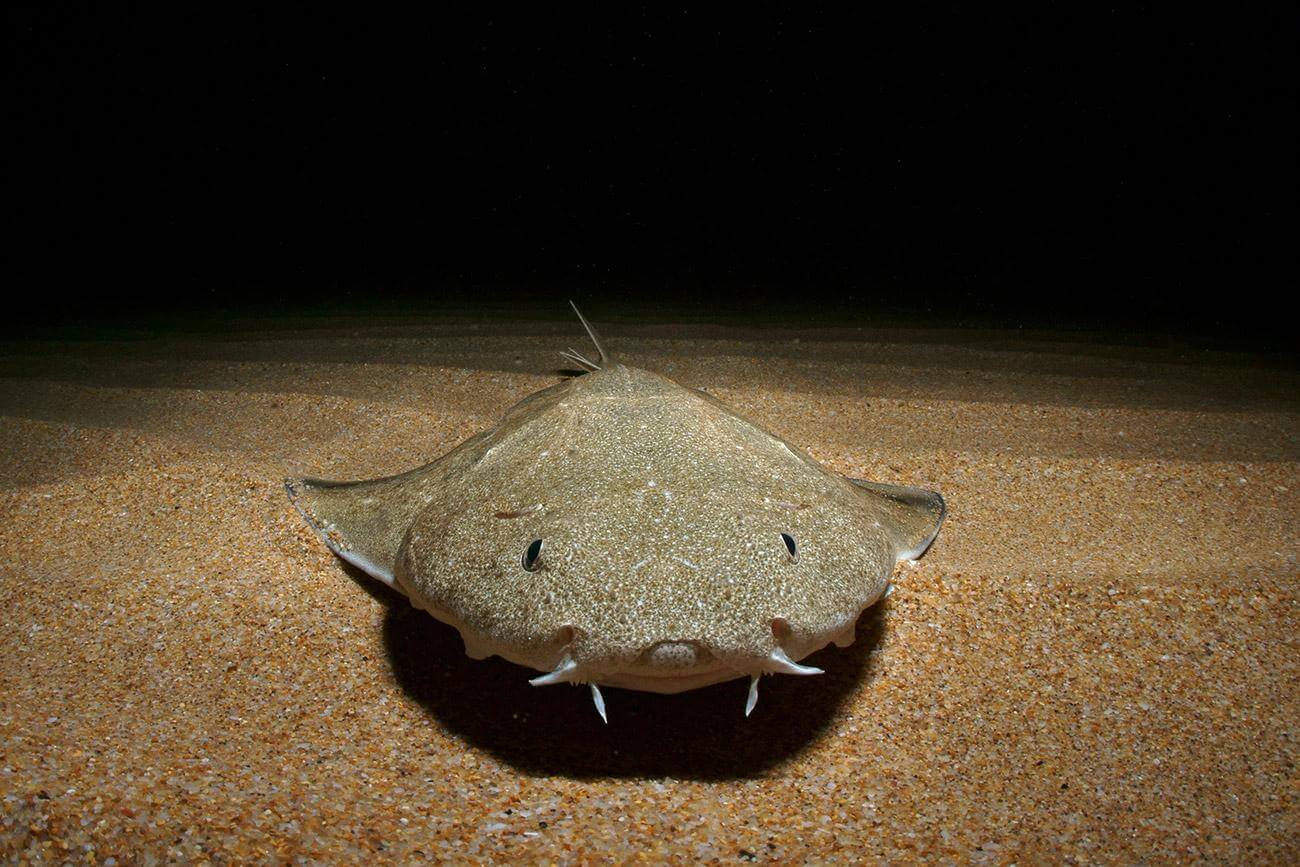
Photo credit: Michael Sealey
Sharks listed on Appendices I and II of the larger CMS, are not automatically included in Annex 1 of the Sharks MOU. However, they are automatically considered by the Sharks MOU Signatories for inclusion in the MOU. Consistent with the criteria for the inclusion of species in CMS, Sharks listed on the MOU shall have an ‘unfavourable’ conservation status and which require international agreements for their conservation and management, as well as those which have a conservation status which would significantly benefit from the international cooperation.
In line with species listed on the MOU are Conservation Action Plans which aim to improve research, fisheries management, habitat protection, public awareness, and cooperation at national and international scales. Prior to inclusion on the Annex, all proposals are subject to review by the Advisory Committee to the CMS Sharks MOU. This committee includes representatives from various regions to guide the Secretariat and Signatories on implementation, scientific assessments, and the conservation status of listed shark species.
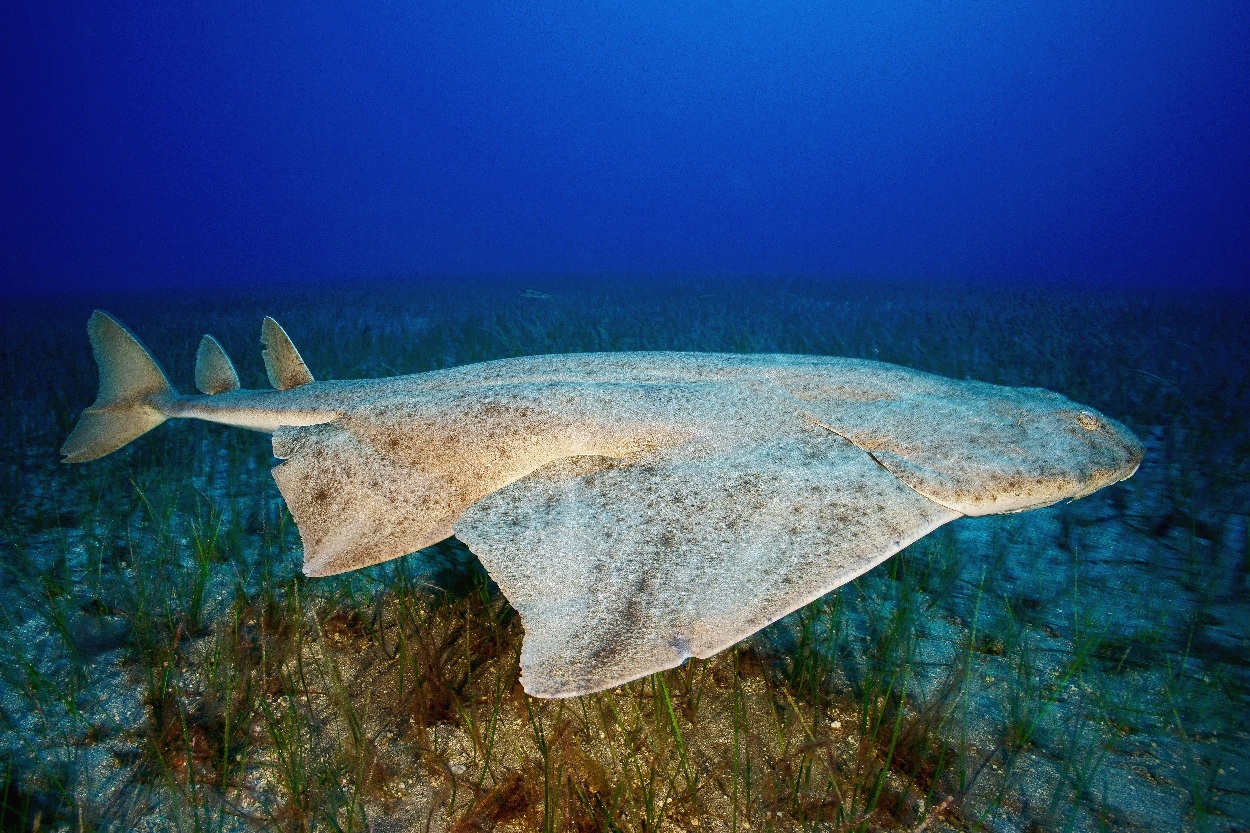
The Angelshark (Squatina squatina) has been depleted throughout much of its historical range over the past century and is listed as Critically Endangered on the International Union for Conservation of Nature (IUCN) Red List of Threatened Species (Morey et al., 2019). Due to its poor conservation status, the Mediterranean population of Angelshark was proposed and listed on Appendices I and II of CMS along with a Concerted Action Plan in 2017.
Following the listing in the CMS Appendices, the Government of the Principality of Monaco proposed the Angelshark for listing in Annex I to the Sharks MOU at the 3rd Meeting of Signatories (MOS3) in Monaco, 2018. While there were some initial differences in the interpretation on the ‘migratory status’ and its alignment with the criteria for ‘migratory’ that was determined by the Advisory Committee, at MOS3 after further consultation with the Advisory Committee consensus was reached and all Signatories agreed to its listing on Annex 1. This decision was supported by evidence of transboundary movement, the species’ critical status, and the necessity of international cooperation. The agreement by the Signatories illustrated the commitment of the Parties to the conservation of Angelshark.
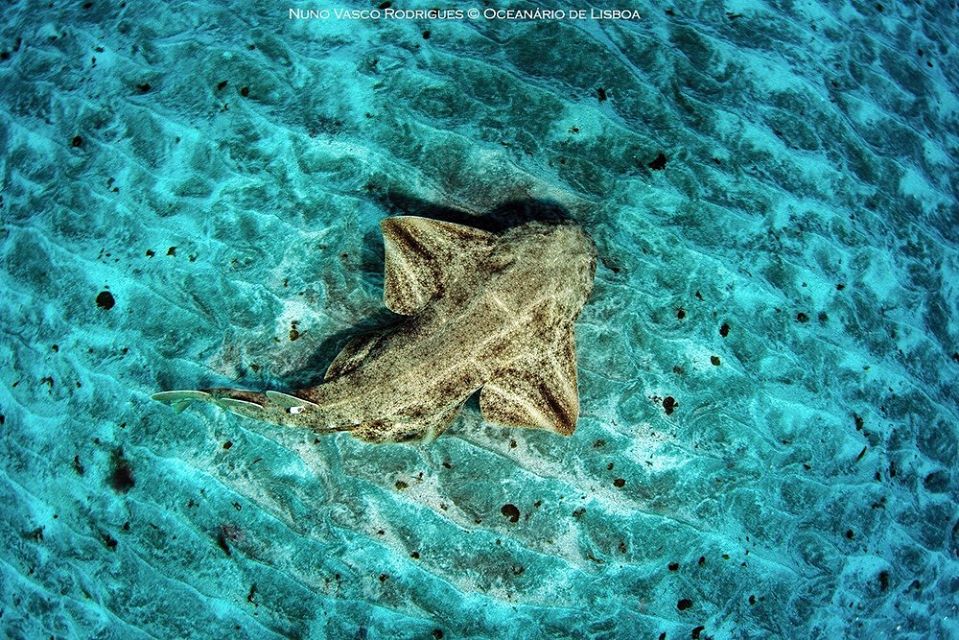
Photo credit: Nuno Vasco
Bordered by more than 20 countries and territories, each with its own rich cultural and political landscape, the Mediterranean is a complex region. This diversity is part of what makes the region so fascinating, but it also presents major challenges for managing shared marine resources. Thanks to their CMS listing, Angelsharks are now within the mandate of countries to collaborate on shared conservation action. A dedicated Single Species Action Plan (SSAP) for the Angelshark in the Mediterranean was developed by the CMS Sharks MOU Advisory Committee with support from the Angel Shark Conservation Network. The goal of this plan is to strengthen coordination, harmonisation, data collection, conservation, and management efforts for the Angelshark across its Mediterranean range.
The groundwork for this SSAP can be traced back to a decade of coordinated research in the region and a collaborative Regional Action Plan for three Mediterranean angel shark species (Squatinidae family) (i.e., Sawback Angelshark - S. aculeata, Smoothback Angelshark - S. oculata, and Angelshark) was produced in 2019 by the Angel Shark Conservation Network (Gordon et al., 2019). That plan organised recommended actions under three overarching goals:
- Establish, implement, and enforce national legislation for angel sharks;
- Minimise fisheries-related mortality throughout the Mediterranean; and
- Identify and protect critical angel shark habitats.
While the presence of angel sharks was long uncertain across much of the Mediterranean, long-term research efforts, for example conducted by the Angel Shark Project, has shed new light on these elusive species. Efforts such as Local Ecological Knowledge studies in Greece, market surveys in Libya, acoustic tagging in Corsica, and knowledge transfer from long-term research in the Canary Islands (Spain), alongside work led by numerous organisations in countries including Türkiye, Tunisia, and Cyprus, have helped identify critical habitats, key threats, and significant ecological insights.
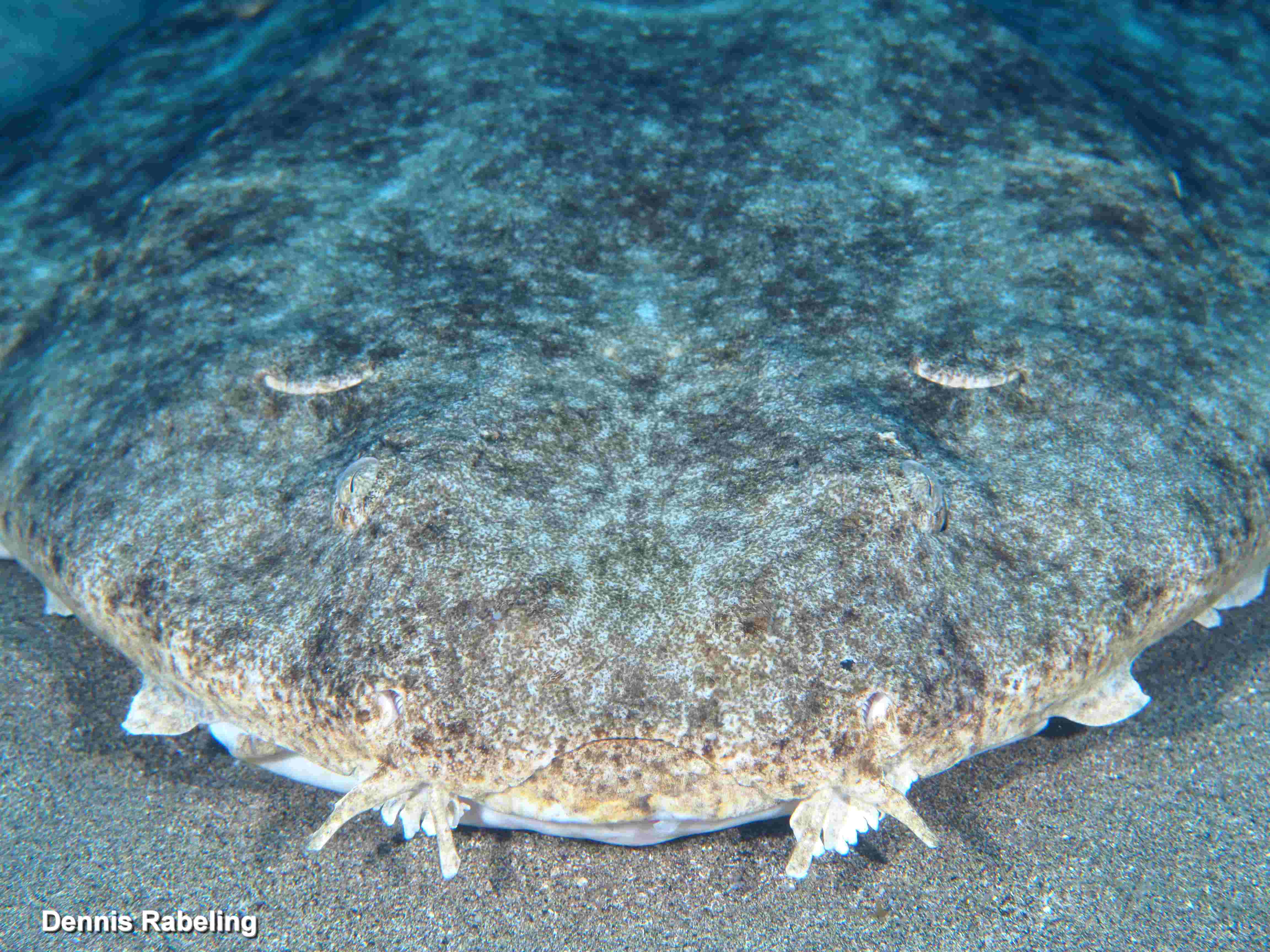
Photo credit: Dennis Rabeling
This coordinated, data-driven approach has not only filled major knowledge gaps but also established a strong foundation for informed, targeted conservation actions across the region. Building on this foundation, CMS Parties are now encouraged to undertake more targeted work focused specifically on the Angelshark to advance the Concerted Action for the species in the Mediterranean Sea. Priority areas include:
• Species protection;
• Identification of Critical Angel Shark Areas (CASAs) and the potential development of spatial management measures;
• Scientific research and data collection; and
• Securing additional financial and logistical resources.
The development of the SSAP did more than produce a conservation blueprint, it actively united Mediterranean Range States. Countries and appointed experts from across the region collaborated to shape and endorse the plan before it was presented at CMS 14th Conference of Parties (CoP14) in Samarkand, Uzbekistan, where it received official adoption by the Parties. Alongside this milestone, Parties also agreed to establish an International Working Group, creating a dedicated forum for coordinating and guiding the SSAP implementation. Operating under an agreed governance structure and a formal work plan, the Working Group held its first online meeting in April 2025, an early and encouraging sign of the plan moving swiftly into action.
During this meeting, Range States and expert advisers reviewed the latest understanding of Angelshark status in the Mediterranean, their distribution and critical habitats. Participants also examined how these key areas overlap with Marine Protected Areas (MPAs) and Important Shark and Ray Areas (ISRAs), and explored ways to strengthen area-based management for the species. According to the Spatial Advice Document (Meyers et al., 2025) discussed during the meeting, only 2% of identified ISRAs for angel sharks currently fall within an MPA that has a fully or partially implemented management plan.
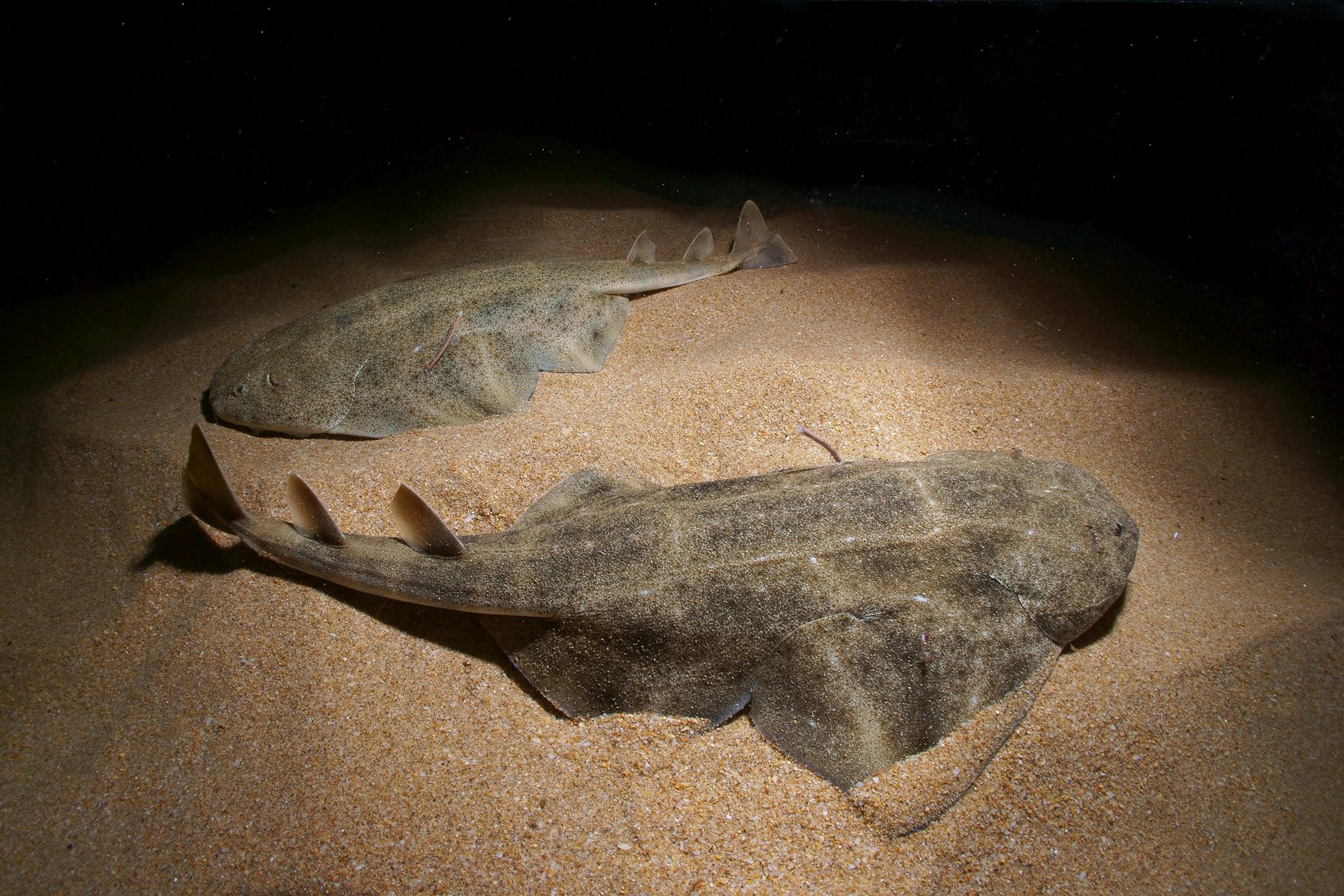
Photo credit: Michael Sealey
The analysis highlights clear opportunities to enhance spatial protection and provides targeted guidance for improving MPA coverage and effectiveness for Angelsharks across the region. A key recommendation emerging from the Working Group discussions urges Range States to work toward having at least 10% of ISRAs covered by MPAs with fully implemented management plans. At the time of writing, these recommendations are still under review by the Range States as they assess their feasibility and next steps.
Finally, the Working Group is collaborating closely with the Angel Shark Conservation Network and its partners to develop practical tools and guidelines for implementing the SSAP. These resources include identification guides, safe-handling protocols to reduce fisheries mortality, reporting platforms, and data management and communication tools.
Taken as a whole, this process represents a powerful example of how science, community, and policy can come together in a diverse region. Angelsharks are serving as an umbrella species for international cooperation, driving coordinated action that benefits not only themselves but also other co-occurring species and their habitats. This collaborative model offers a success model for conservation efforts that could be replicated elsewhere.
Find out more here: www.cms.int/species/squatina-squatina
This article was originally published in the Sharks News Newsletter of the IUCN Species Survival Commission Shark Specialist Group (#13, April 2026). View the full edition here. Published by the IUCN SSC Shark Specialist Group (SSG), Dr. Rima W. Jabado, P.O. Box 29588, Dubai, United Arab Emirates.