The Charles Darwin Foundation has become the newest Cooperating Partner to the CMS Sharks Memorandum of Understanding (Sharks MOU)
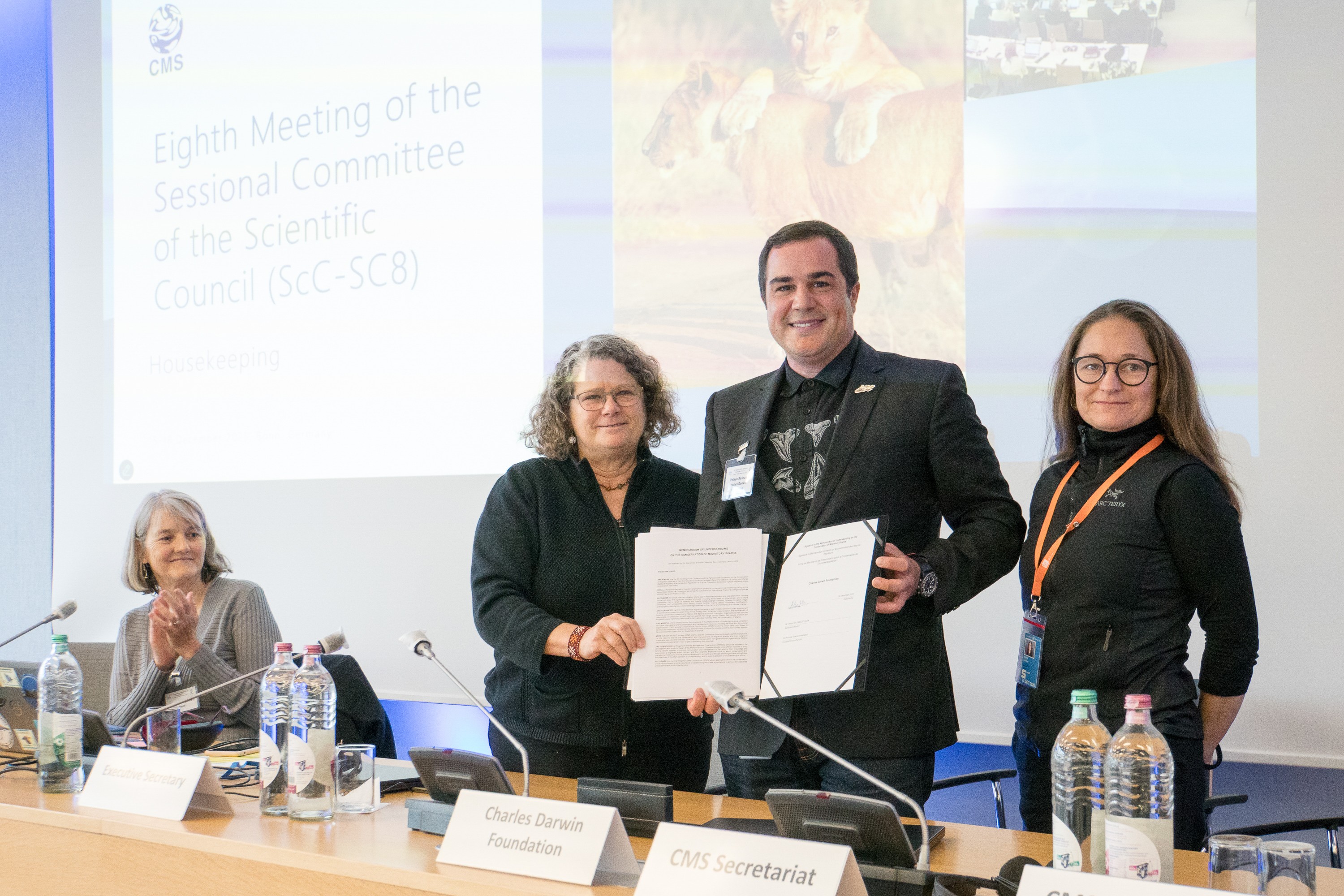
The Charles Darwin Foundation (CDF) and the Secretariat of the Convention on the Conservation of Migratory Species of Wild Animals (CMS) formally signed the Memorandum of Understanding on the Conservation of Migratory Sharks (Sharks MOU) during the Eighth Meeting of the Sessional Committee of the Scientific Council of CMS (ScC-SC8) on 18 December 2025, in Bonn, Germany, confirming CDF as the newest Cooperating Partner to the Sharks MOU.
The Sharks MOU is a specialized agreement developed under the auspices of CMS. It provides a global framework for Signatories and other stakeholders, including non-governmental organizations (NGOs), to strengthen international cooperation for the conservation of migratory sharks and rays based on the best available science and the socio-economic significance of the listed species.
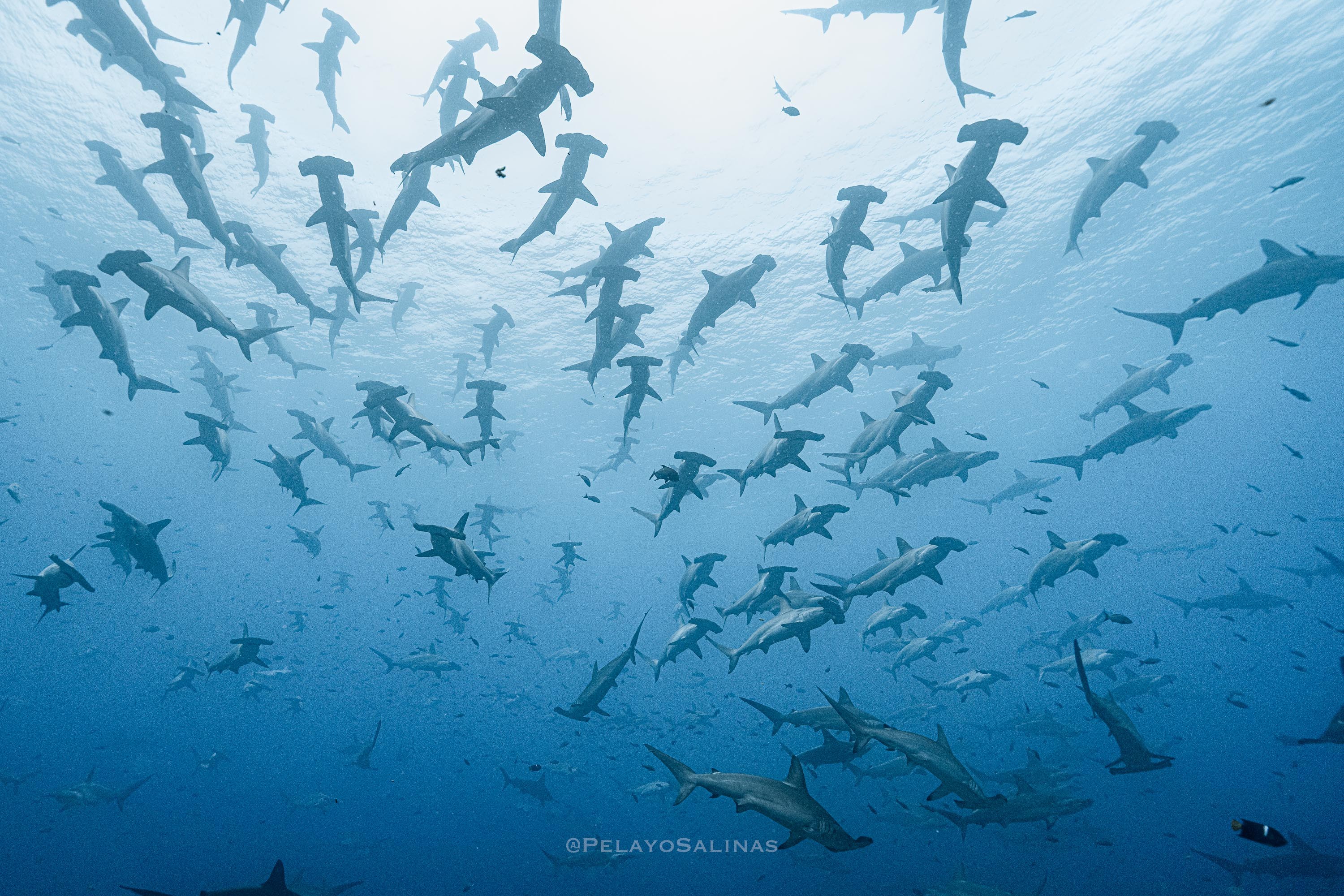
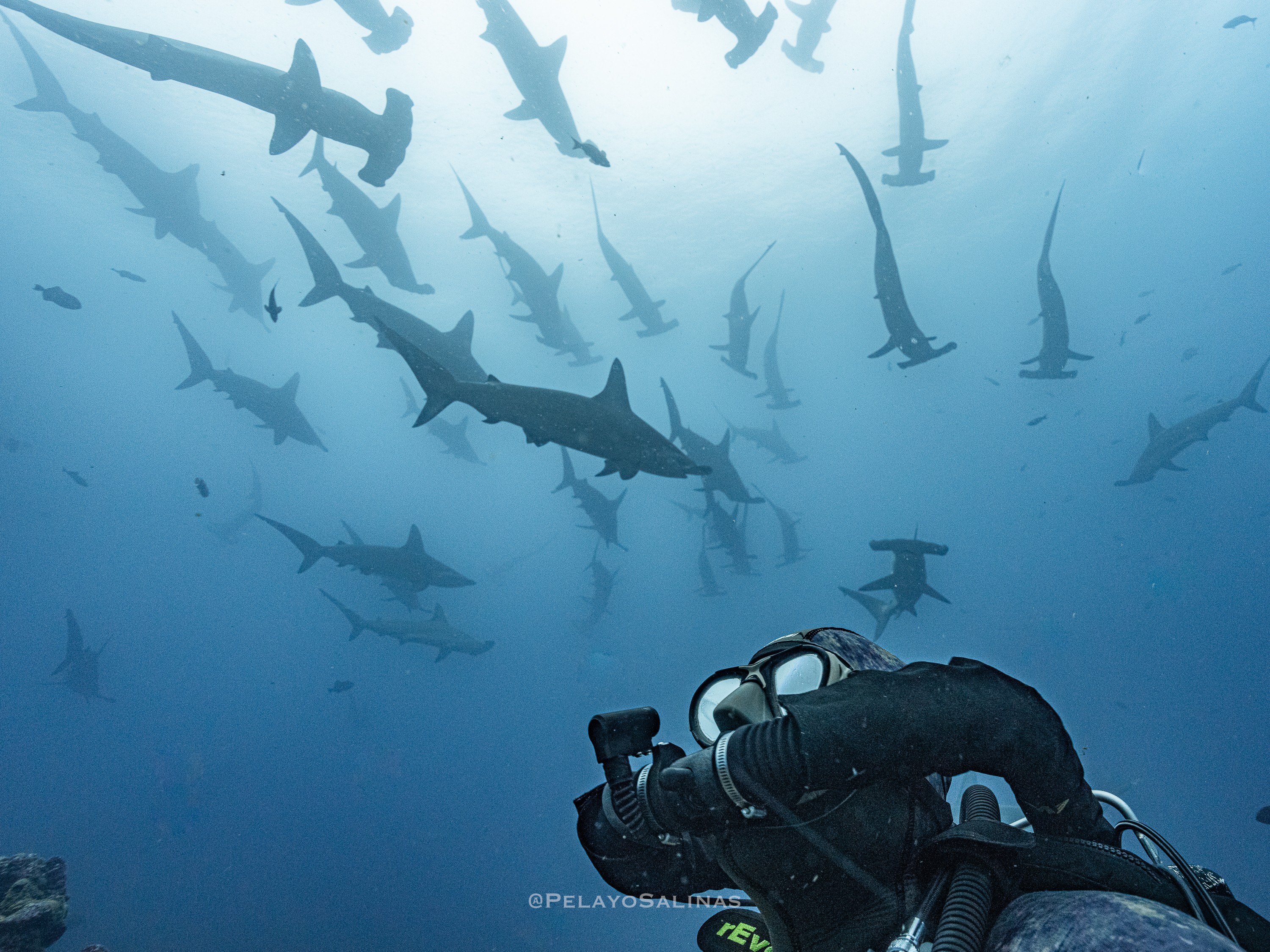
Since 2007, CDF has led long-term research on several migratory shark species listed under Annex 1 of the Sharks MOU, directly supporting the implementation of its Conservation Plan. Through long-term monitoring, applied research on migration and ecological connectivity, threat assessments, and capacity-building, CDF has advanced evidence-based conservation in the Galapagos and the broader Eastern Tropical Pacific region.
As a Cooperating Partner, CDF is committed to unlocking synergies in scientific and technical research, facilitating knowledge exchange, and bridging the science–policy gap to support the implementation of the Sharks MOU. This partnership creates new opportunities to co-develop conservation initiatives, enhance regional collaboration within the Eastern Tropical Pacific Marine Corridor (CMAR) coalition countries (Colombia, Costa Rica, Ecuador and Panama), and strengthen coordinated international action for migratory shark conservation.
Migratory sharks play an essential role in maintaining marine ecosystem balance. However, their wide-ranging movements expose them to risks beyond protected areas, making international cooperation critical.
This need for strengthened global cooperation will take center stage at the upcoming CMS 15th Meeting of the Conference of the Parties (COP15), to be held the 23-29th of March 2026 in Campo Grande, Brazil. The meeting will bring together governments, scientists, conservationists, Indigenous Peoples and local communities, environmental leaders, and civil society from around the world to address the urgent conservation challenges facing migratory species that cross international boundaries.
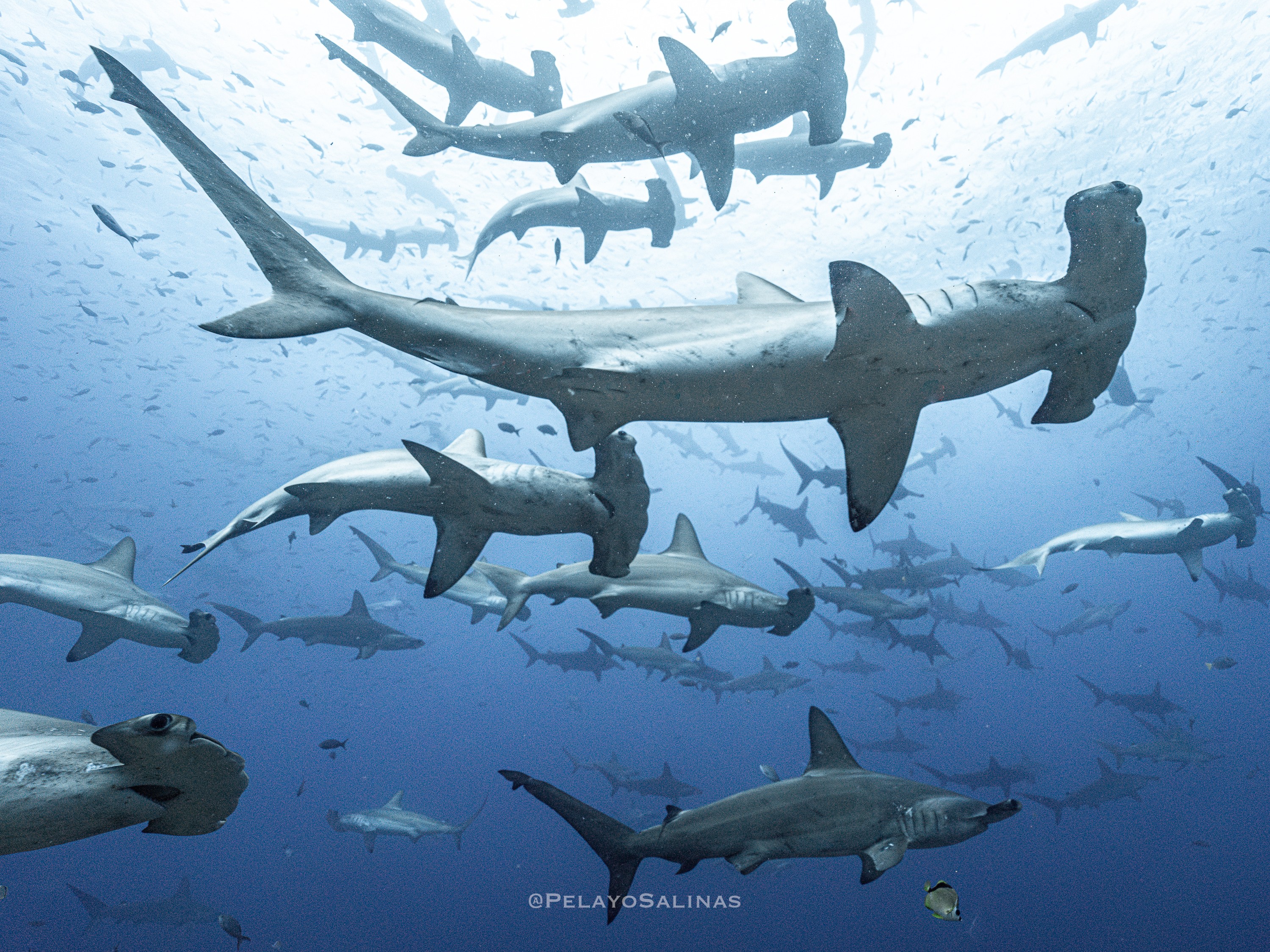
During COP15, proposals to include the Scalloped hammerhead (Sphyrna lewini) and the Great hammerhead (Sphyrna mokarran), amongst other species, on Appendix I of the Convention will be discussed, underscoring the growing recognition of the conservation needs of highly migratory shark species. CDF will also contribute to the dialogue through its engagement in COP15 discussions and dedicated side event, Strengthening the Science-Policy Interface: Explaining the Ecological Connectivity of Scalloped Hammerhead Sharks in the Eastern Tropical Pacific (ETP) region.
Through this new partnership, the Charles Darwin Foundation reaffirms its commitment to advancing rigorous science, regional expertise, and technical leadership to support the objectives of the Sharks MOU, in alignment with the Samarkand Strategic Plan for Migratory Species 2024–2032.
This alliance not only strengthens migratory shark conservation — it reinforces a global commitment to healthy oceans for present and future generations.
Gallery images